After the successful fit-outs of our Cable Landing Stations (CLS) in Perth and Sydney, our team set out once again—this time to Adelaide. With lessons learned from previous projects and a refined approach, we were ready to take on the next challenge.
We’re back with SUBCO Senior Network Engineer – Rick Carter, who gives us an insight of what went into the Adelaide CLS fit-out.
_
With the experience of the Perth and Sydney CLS fit-outs under our belts, Bob Purdon, Sheraz Babar, and I hit the road again to begin work on the Adelaide CLS.
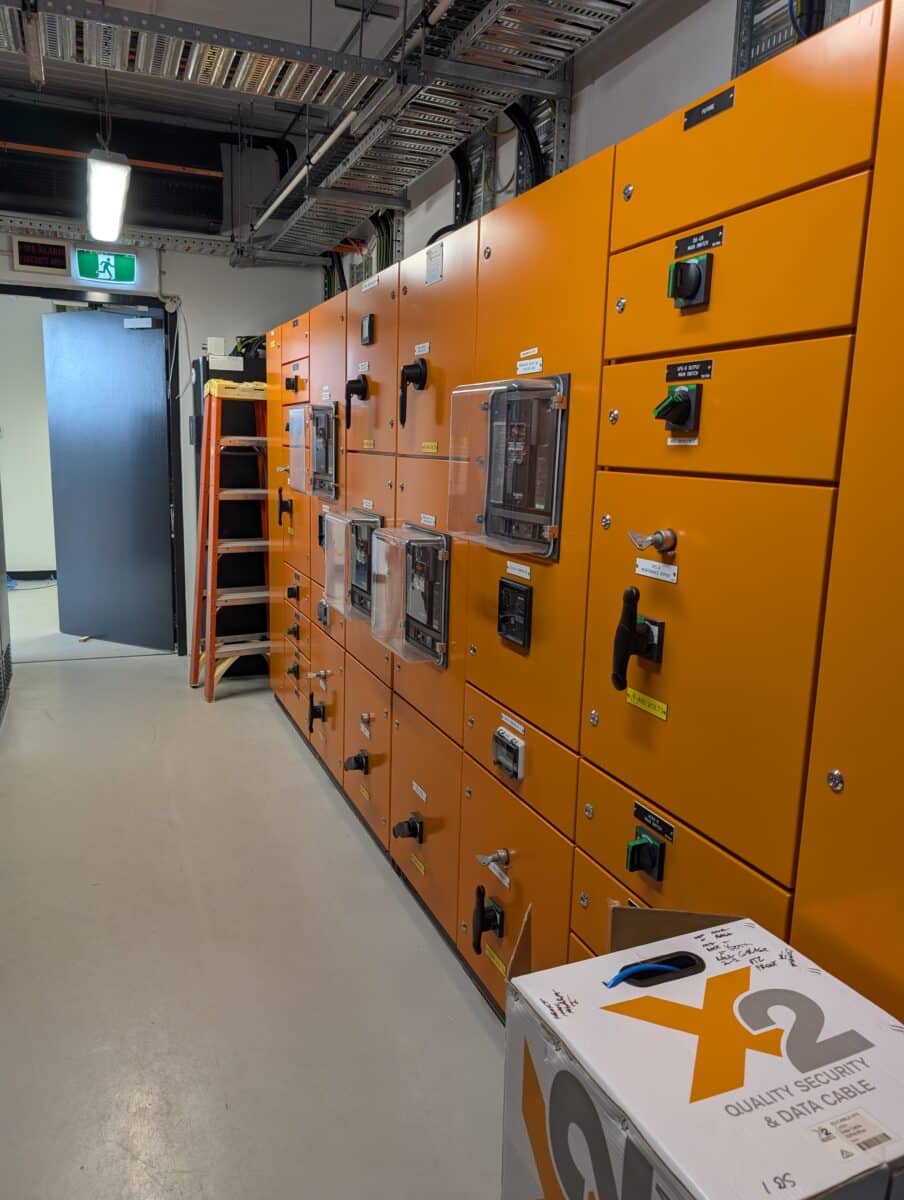
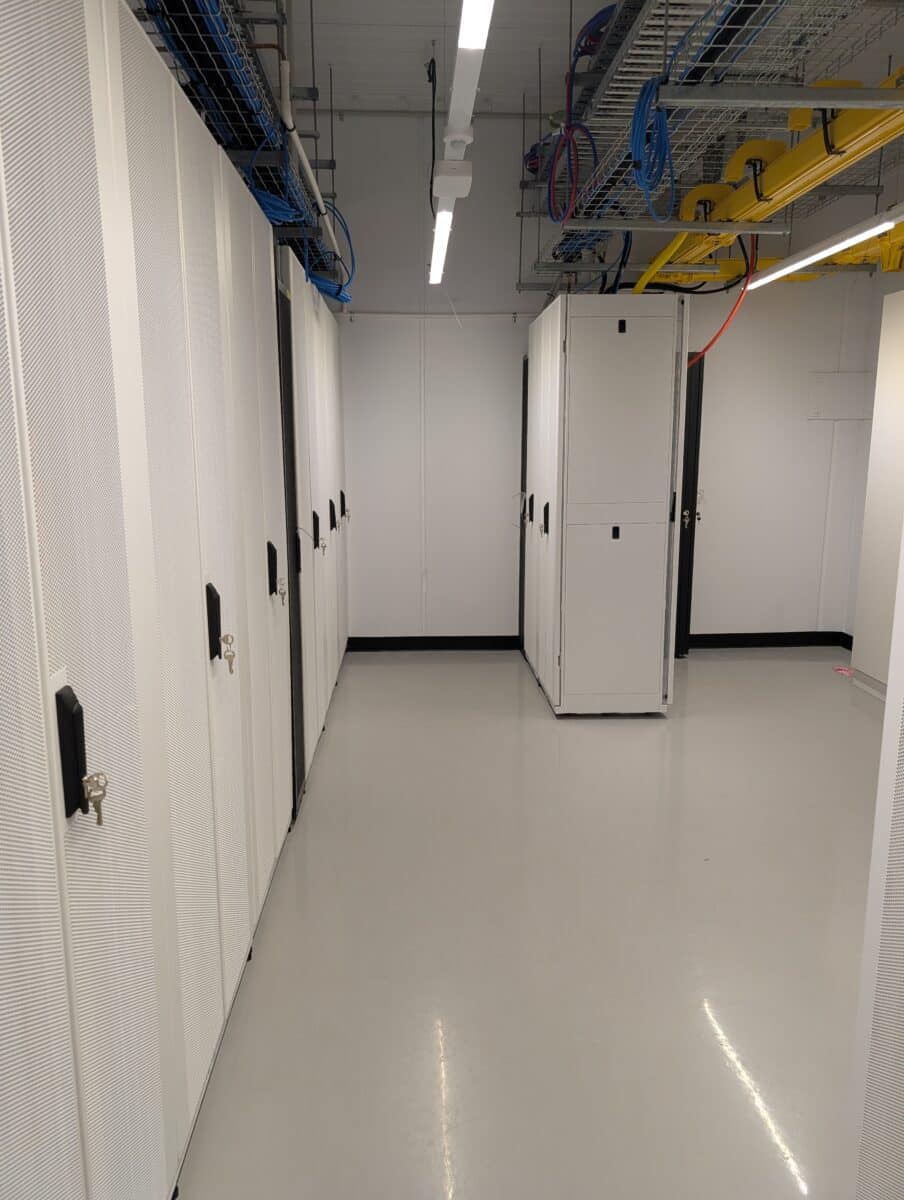
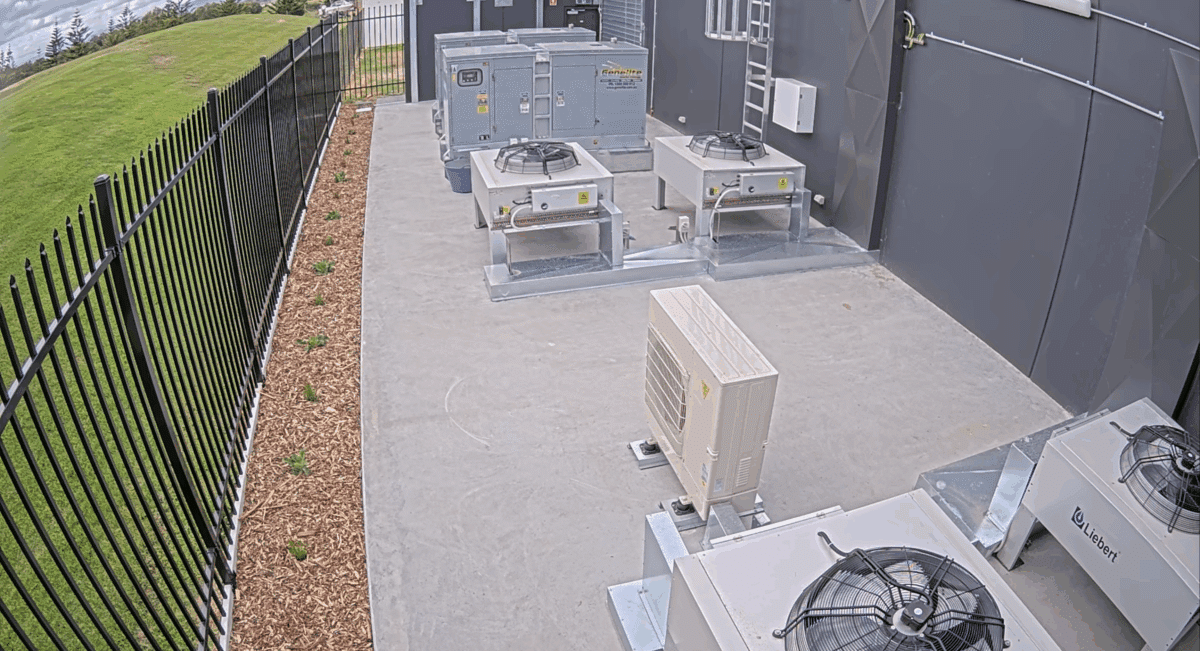
The Adelaide project shared many similarities with the previous fit-outs but came with some notable differences. The key distinction was that we own and operate the building housing the Adelaide CLS, whereas the Perth and Sydney stations are located within established data centres. This meant the team and our contractors faced a more extensive implementation, covering power, environmental systems, networking, and security infrastructure.
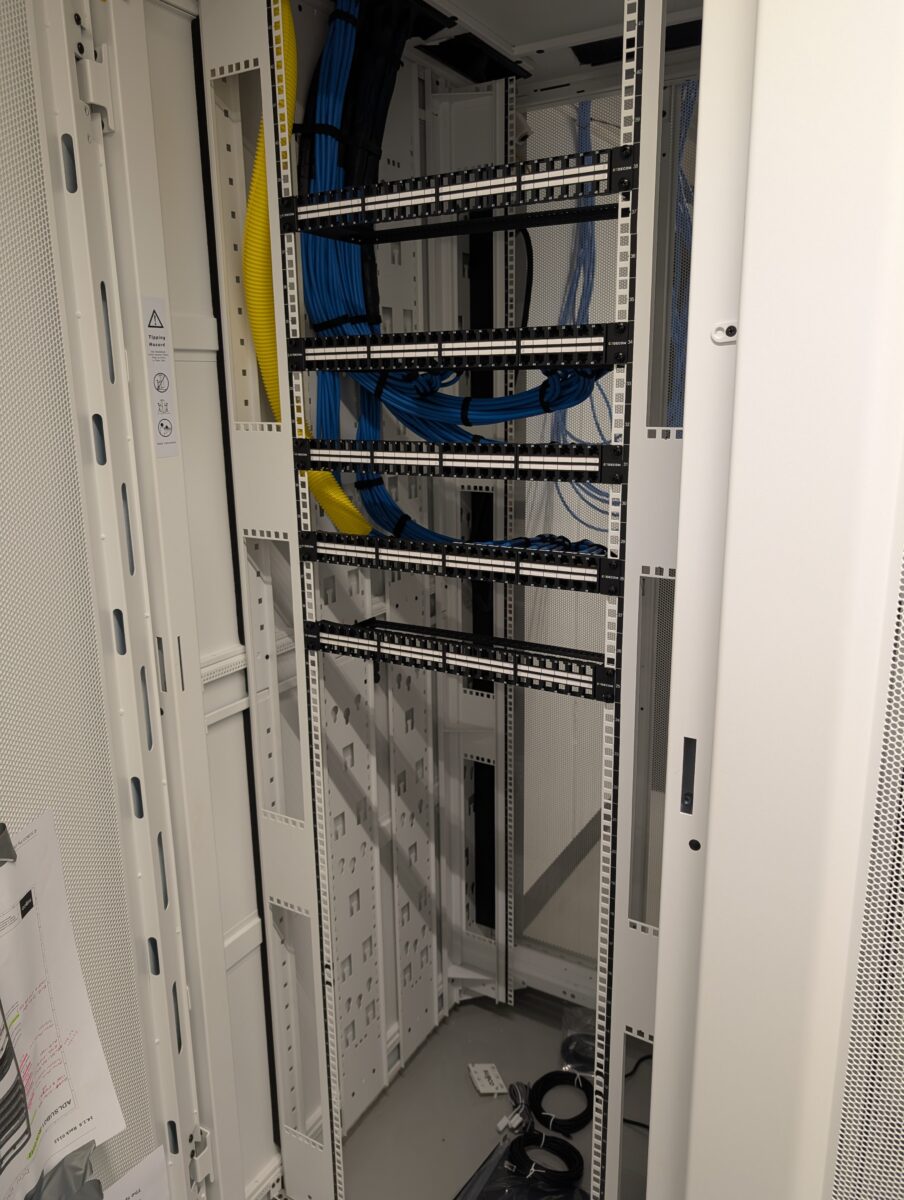
As with the other sites, the SUBCO team installed and commissioned:
-
PDUs
-
Rack locks and reed switches
-
Temperature monitoring
-
DC power rectifiers
-
DCN and related patching
-
In-rack LED lighting
-
In-rack access control
-
In-rack cameras and controllers
-
Cable management
-
Comprehensive labelling for cables, FTPs, and devices
While we worked on the above, our contractors focused on installing mains and UPS/generator power, air-conditioning, structured fibre and copper cabling between the racks and ODF, and the security camera network throughout the facility.
The DCN installation in Adelaide was larger than at the previous two sites due to the increased number of cameras and monitoring points required for our own facility. While on-site, we also commissioned the first of two diverse out-of-band services for connectivity to the rest of the DCN. The second service will be commissioned in the coming weeks.
Overall, this installation was more efficient and quicker than the previous projects. By applying the lessons learned from earlier CLS fit-outs, we introduced a new process for installing equipment, cabling, and devices into the racks – streamlining our workflow and achieving smoother delivery.