
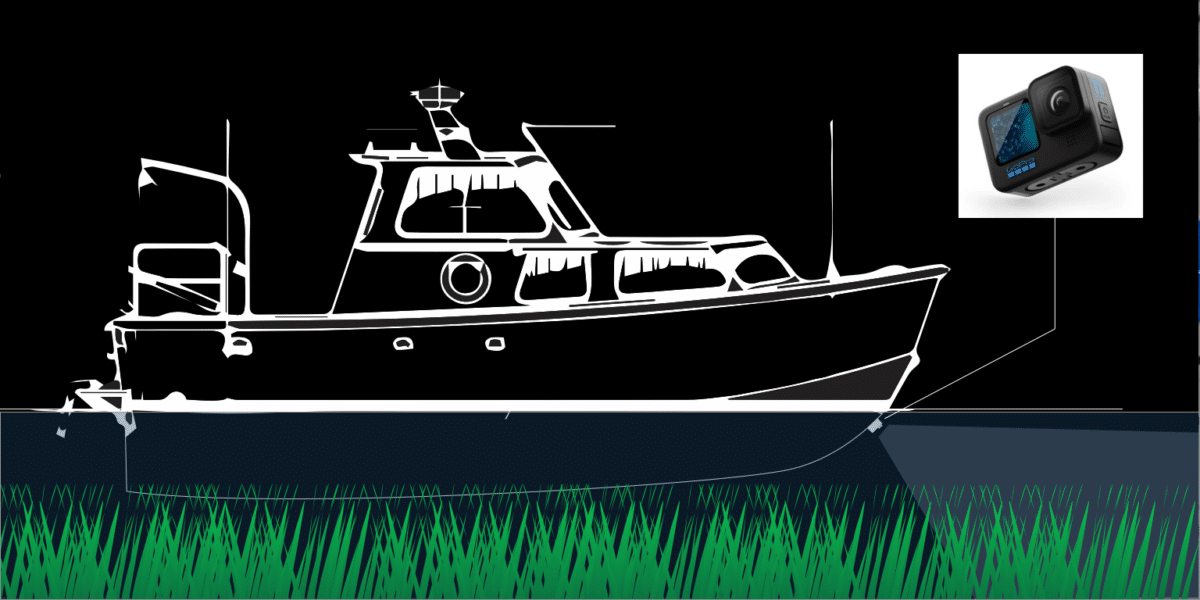
As part of the Marine survey activities, SUBCO has deployed an underwater camera to check the proposed cable alignment corridor to help plan the shallow water cable placement to minimise interactions with localised seagrass as much as possible as it traverses coastal waters off South Australia. Whilst working with South Australia Vegetation Council the team […]
Tag Archives: Design
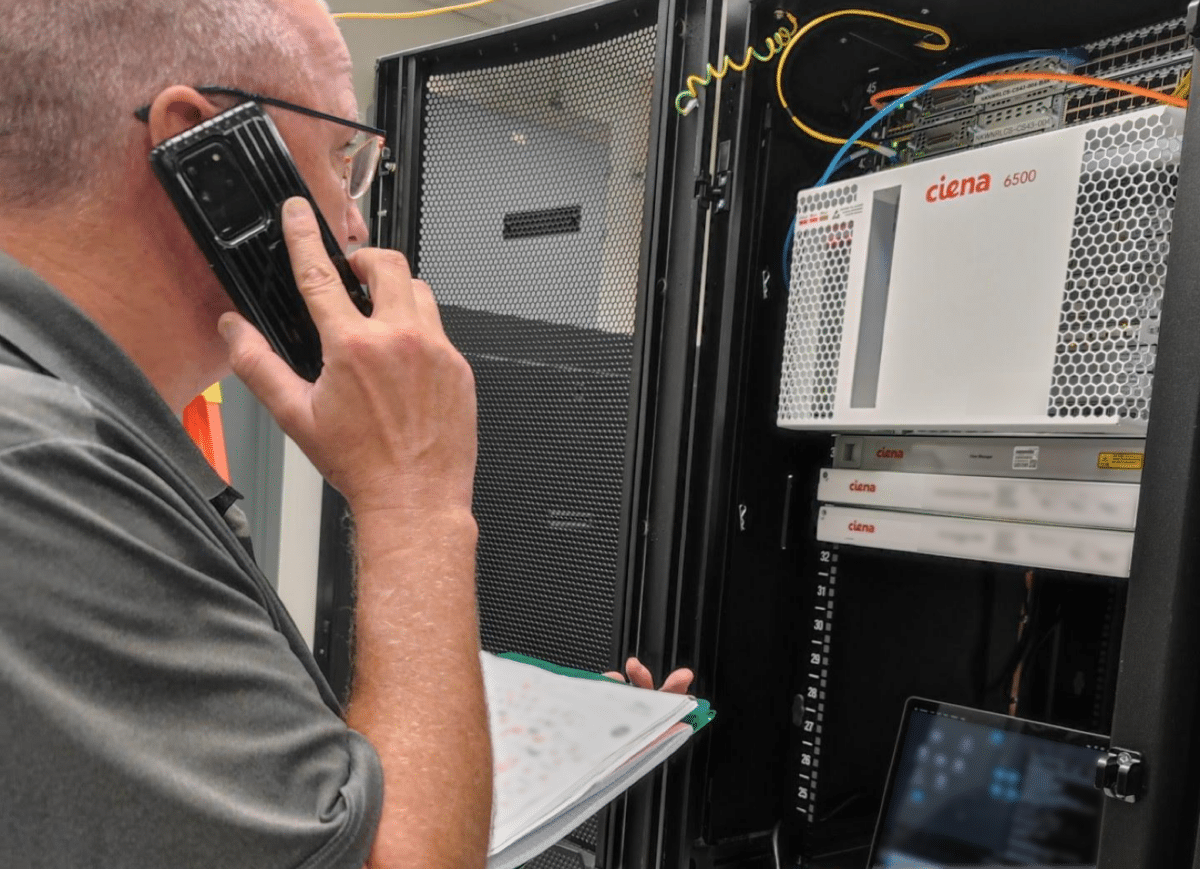
Lee Harper serves as the Chief Operating Officer at SUBCO and plays a pivotal role as one of the key leaders for the SMAP project, overseeing the design, construction, and implementation of the undersea component. With over 20 years of extensive experience in the global telecommunications industry, we were interested to learn from Lee how […]
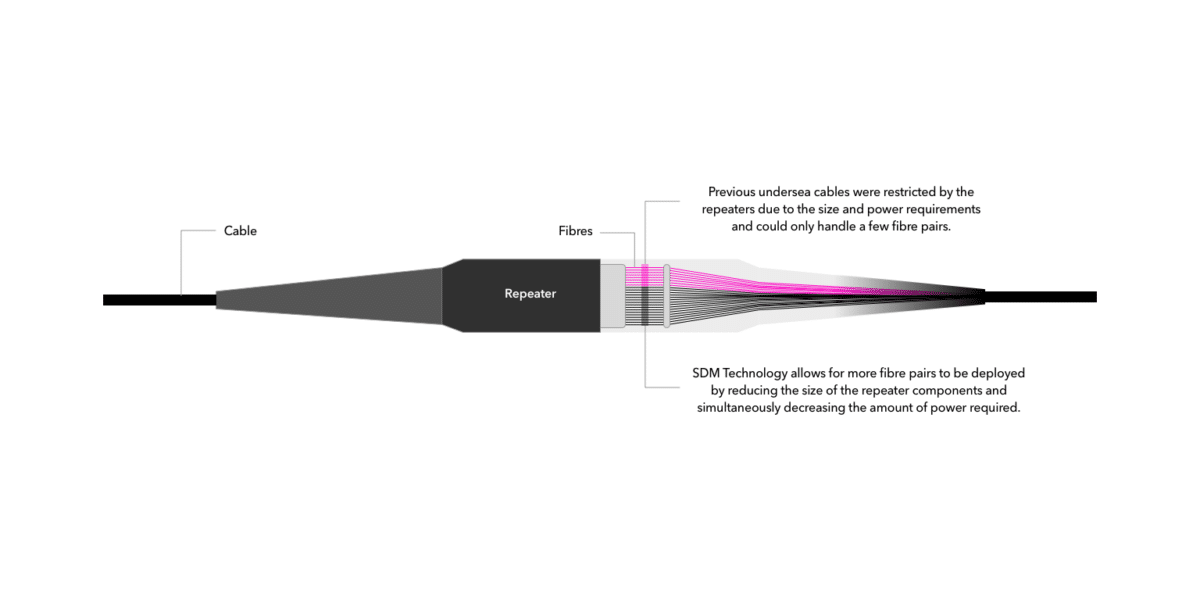
The SMAP build is set to be Australia’s first long-haul submarine cable utilising spatial division multiplexing (SDM) technology. Unlike conventional subsea cables, which typically operate with just 2 to 3 fibre pairs, SMAP will soar ahead with an impressive 12 fibre pairs. This leap in capacity not only exponentially increases the total bandwidth available but […]
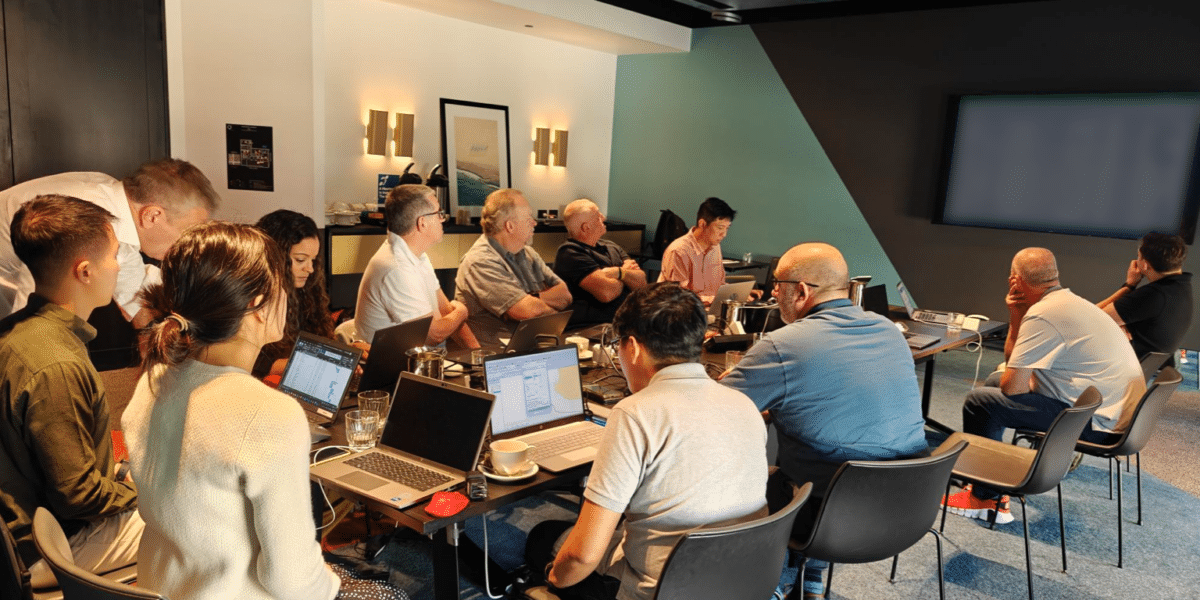
Last week, members of the SUBCO team met with key stakeholders from Alcatel Submarine Networks and Optic Marine Systems in Perth to discuss progression of survey work, scheduling matters and terrestrial & subsea infrastructure interface. Coordination meetings are regularly held with delivery partners, including our subsea suppliers, to ensure smooth progression of the project and […]
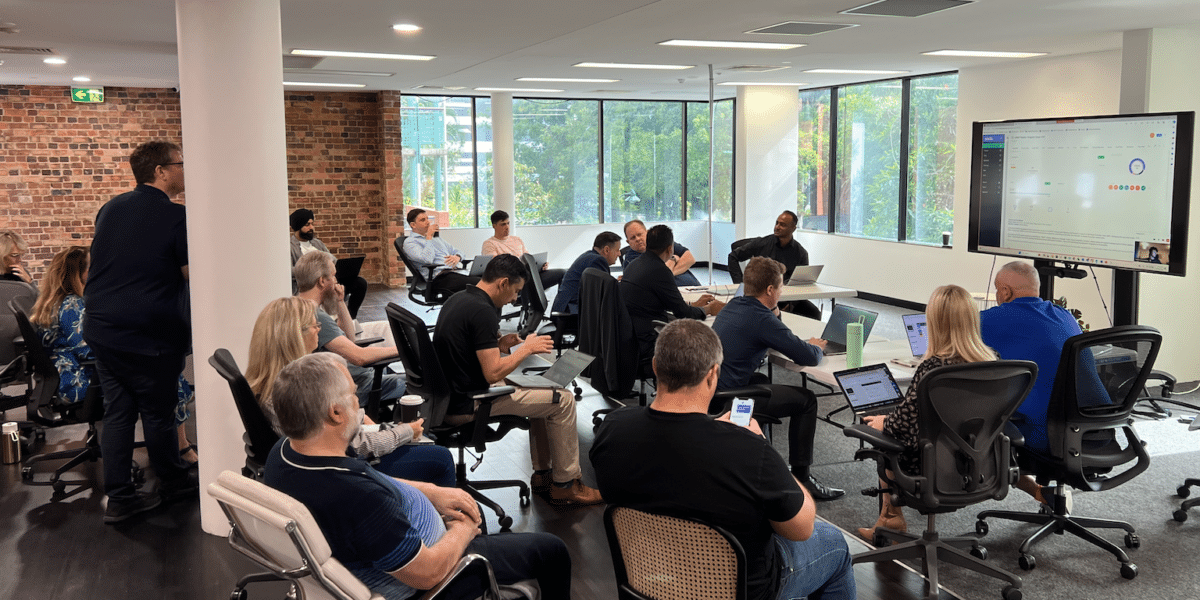
Each month, we coordinate a national on-site in Brisbane HQ with our SMAP Project Team. This meet up enables us to make all of our major decisions and discuss key project milestones. These meet ups have accelerated our program significantly given the nature of this complex build.
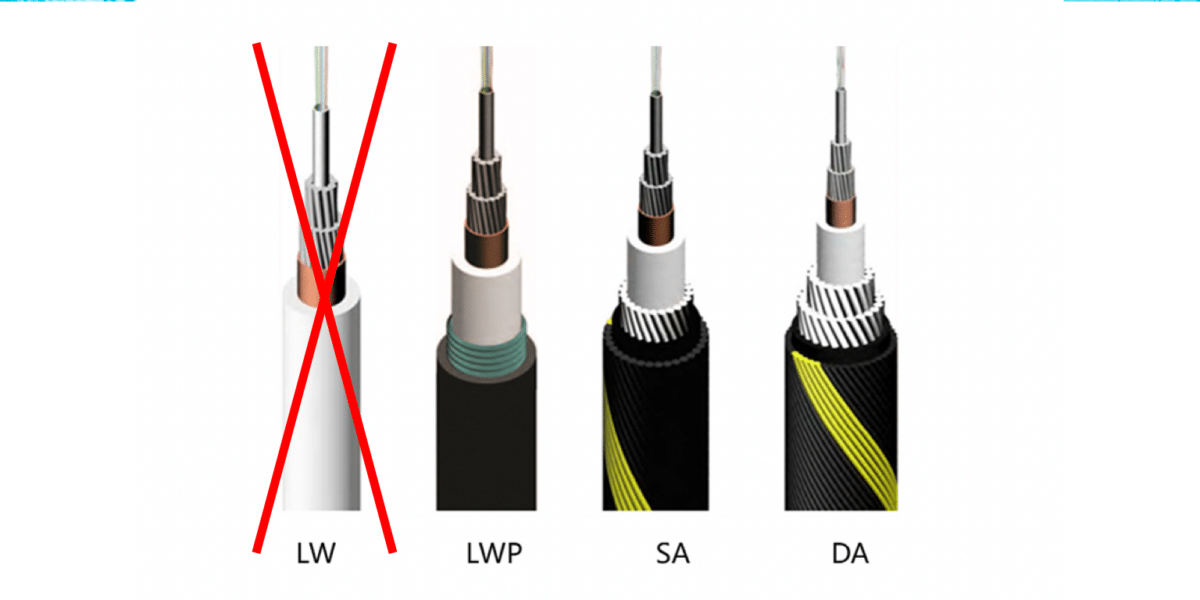
The submarine cable will be supplied and installed by Alcatel Submarine Networks. Also known as the wet segment, the submarine cable contains from 24 optical fibres which operate in pairs (12 pairs). The exact composition of the SMAP cable will vary along the route due to changing depths, laying methods and the risks associated with […]
- 1
- 2